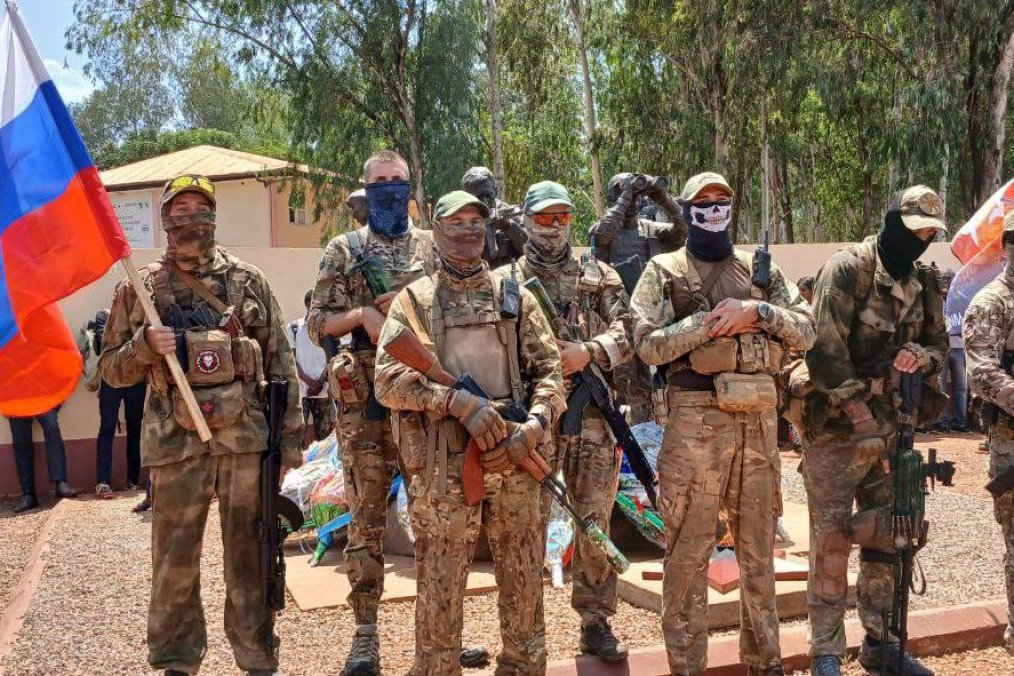
Across the African continent, Russia provides security support to repressive regimes, facilitates predatory resource extraction, and conducts extensive information and influence operations. Though Russian propaganda seeks to portray its engagement as positive and empowering, benefits accrue to those in power while local populations face persistent insecurity and human rights abuses. Despite this poor record, Russia continues to find audiences receptive to its narratives and lure soldiers from the region to fight on the front lines of its war against Ukraine.
This briefing will examine Moscow’s cynical exploitation of unstable security environments and vulnerable populations across Africa. Panelists will discuss how Russia has used extractive economic arrangements, violations of human rights, and covert influence operations in service of its broader imperialist ambitions in Ukraine and beyond.