
OSCE Mediterranean Partners
NATO Refocused, Europe Reinforced
Aug 10, 2022By Jessika Nebrat, Max Kampelman Fellow Following the escalation of Russia’s war against Ukraine, the North Atlantic Treaty Organization (NATO) is playing a role it has not filled in years. Forced to […]
CO-CHAIRMAN COHEN CALLS FOR THE RELEASE OF ALAA ABD ...
Aug 04, 2022WASHINGTON— Concerning Alaa Abd el-Fattah’s imprisonment, Helsinki Commission Co-Chairman and OSCE Parliamentary Assembly Special Representative on Political Prisoners Rep. Steve Cohen (TN-09) released a letter calling for Secretary Blinken to […]
Helsinki Commission Commemorates 45 Years of Advanci...
Jun 03, 2021WASHINGTON—To commemorate the 45th anniversary of the Commission on Security and Cooperation in Europe, also known as the U.S. Helsinki Commission, on June 3, Chairman Sen. Ben Cardin (MD) and […]
2020 OSCE Mediterranean Conference
Dec 09, 2020By Zantana Ephrem, Max Kampelman Fellow and Michelle Ikelau Ngirbabulka, Max Kampelman Fellow In 2020, the Organization for Security and Cooperation in Europe (OSCE) has faced the unprecedented crisis of COVID-19, […]
Public Diplomacy, Democracy, and Global Leadership
Dec 05, 2019For more than a century, the United States has advanced shared human rights, economic, and security policy goals in the transatlantic relationship by cultivating people-to-people ties through public diplomacy initiatives. […]
Helsinki Commission to Review Role of Professional E...
Dec 02, 2019WASHINGTON—The Commission on Security and Cooperation in Europe, also known as the Helsinki Commission, today announced the following hearing: PUBLIC DIPLOMACY, DEMOCRACY, AND GLOBAL LEADERSHIP An Approach for the 21st […]
Chairman Hastings Leads Bipartisan Delegation to Tun...
Oct 08, 2019WASHINGTON—From September 28 to October 6, Helsinki Commission Chairman Rep. Alcee L. Hastings (FL-20) led a bipartisan, bicameral U.S. delegation to Tunisia, Israel, and Morocco to assess the state of […]
The Helsinki Process: A Four Decade Overview
Jun 28, 2019In August 1975, the heads of state or government of 35 countries – the Soviet Union and all of Europe except Albania, plus the United States and Canada – held […]
OSCE Parliamentary Delegation to Rabat Examines Moro...
Nov 06, 2017From October 19 to October 20, 2017, Helsinki Commission staff participated in a visit to Rabat, Morocco organized by Morocco’s upper house of Parliament—the House of Counselors—and the OSCE Parliamentary […]
Security in the Mediterranean Region: Challenges and...
Nov 13, 2015From October 20-21, 2015, the OSCE held its annual Mediterranean Conference focused on “Security in the Mediterranean Region – Challenges and Opportunities.” It included four distinctive themes: Session I: Common […]
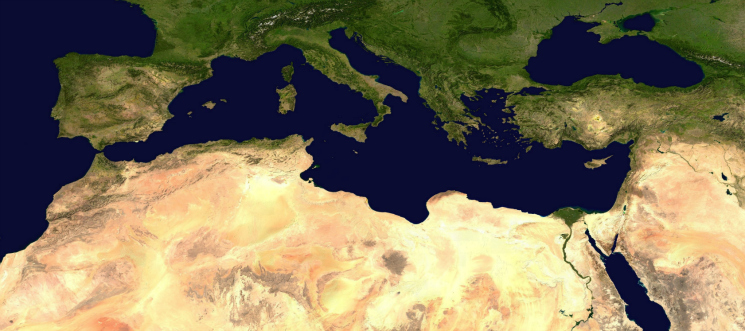
U.S. Helsinki Commission to Hold Briefing on OSCE Me...
Jun 27, 2014WASHINGTON – Today the Commission on Security and Cooperation in Europe (U.S. Helsinki Commission) announced the following hearing: Political Pluralism in the OSCE Mediterranean Partners? Wednesday, July 9, 2014 10:00 […]
LIVE WEBCAST: U.S. HELSINKI COMMISSION HEARING ON TH...
Feb 07, 2012WASHINGTON – The Commission on Security and Cooperation in Europe (U.S. Helsinki Commission) announced today the following hearing: Ireland’s Leadership of the OSCE Wednesday, February 8, 2012 11:30 a.m. B-318 […]