
Title

A New Ocean in the North: Perils and Possibilities

Thursday, October 05, 2017
3:30pm
Dirksen Senate Office Building, Room G11
Washington, DC
United States
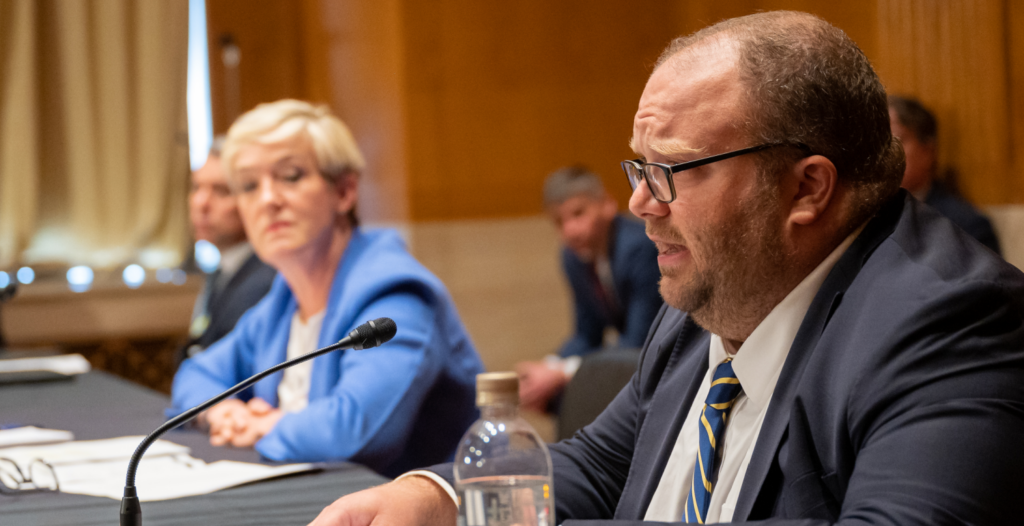
Joint Briefing with the Senate Arctic Caucus, Senate Oceans Caucus, and Congressional Arctic Working Group
Official Transcript: 
Moderator(s): 
Name: 
Paul Massaro
Title Text: 
Policy Advisor
Body: 
Commission on Security and Cooperation in Europe
Witnesses: 
Name: 
Julia Gourley
Title: 
Senior Arctic Official
Body: 
U.S. Department of State
Name: 
Iina Peltonen
Title: 
Body: 
Embassy of Finland in the United States
Name: 
Rear Admiral Michael F. McAllister
Title: 
Commander, 17th Coast Guard District
Body: 
U.S. Coast Guard
Name: 
Melanie Bahnke
Title: 
President and CEO
Body: 
Kawerak, Inc.
Name: 
Mark Smith
Title: 
CEO
Body: 
Vitus Energy

Increasingly navigable waters and technological advances have opened the Arctic to further exploration, and an abundance of natural resources is driving investment in the region. Given the Arctic’s economic potential and environmental implications, the “High North” is likely to become a new theater of international engagement.

As one of eight Arctic nations, the United States holds a vested interest in encouraging economic development in the region. However, U.S. Arctic infrastructure is underdeveloped and is dwarfed by Russia’s investment in the region. Moreover, like other Arctic nations, the United States must contend with the challenge posed by melting ice caps and rising sea levels.

The briefing examined the importance of the development of Arctic infrastructure as the Organization for Security and Cooperation in Europe’s (OSCE) least-developed region becomes more accessible. It also analyzed the challenges faced by the international community to promote greater cooperation in unlocking the region’s potential.
  • Related content
  • Related content
Filter Topics Open Close
  • Canada Considers Next Steps in Extractive Industry Transparency; Roundtable in Toronto is Forum for Discussion on Harmonization of Canadian and U.S. Reporting Requirements

    By Shelly Han Policy Advisor The oil, gas and mining sector play an important part of Canada’s economy, not only in terms of its domestic industry, but also the global reach of Canada’s extractive companies and the importance of its capital markets for international mining companies. According to recent reports, Toronto is the mining finance capital of the world, raising 30 to 40 per cent of the world’s mining equity almost every year, and Canadian mining companies account for a world-leading 40 percent of global exploration expenditure. With passage of the Dodd-Frank Wall Street Reform and Consumer Protection Act in 2010, a new law was created that requires greater transparency by oil, gas and mining companies in all markets, both domestic and international. The law, sponsored by Senators Ben Cardin and Richard Lugar, requires all companies listed on U.S. stock exchanges to report to the Securities and Exchange Commission (SEC) the payments they make to U.S. and foreign governments for natural resource exploration and extraction. The SEC rule to implement this law is currently being drafted and will become final in early April of 2011. In order to make this transparency initiative even more effective, supporters of the measure are working to enact similar initiatives in other major capital markets such as the EU, Canada, Hong Kong and elsewhere. On January 18, 2011, the Publish What You Pay Coalition of Canada convened a roundtable discussion to consider ways that Canada might harmonize its exchange reporting regulations with the new requirements enacted in the United States. At the event were key players in the Canadian extractives industry sector, the regulatory agencies, academics and non-governmental organizations. Strong support was expressed by some participants for harmonization with the U.S. because of Canada’s pivotal role in providing mining capital. And even though Canadian companies and the Canadian Government have made a tremendous push toward increasing corporate social responsibility in the mining sector, it was noted by one of the participants that Canada is about to be severely criticized by the Organization for Economic Cooperation and Development (OECD) following completion of an assessment of their enforcement of anti-bribery laws. During the discussion, the participants noted that a complicating factor in harmonization was the fact that Canadian capital markets are administered at the provincial and territory-level, meaning that unlike the practice in the United States where this is just one federal regulator, Canada has 13 separate securities regulators. Currently pending legislation in the form of a draft Securities Act, however, may create an overarching federal securities body, but some participants expressed doubt about the passage of this bill. Even absent creation of a federal agency, some participants noted that if the major exchanges in Toronto and Ontario moved to harmonize first, then other provinces were likely to follow suit. Regardless, Canadian regulators are unlikely to move forward until a final SEC rule is issued in April. At that time groups such as the Publish What You Pay Coalition and others will likely move forward with a renewed push for harmonization with new global standard on transparency for the extractive industries.

  • OSCE 2010 Informal Ministerial: Kazakhstan Persistence Earns a Summit in Astana

    By Winsome Packer Policy Advisor Kazakhstan hosted its long-sought OSCE Informal Ministerial in Almaty July 16-17, 2010, the realization of a key aim of its Chairmanship. A second important objective of the Kazakh Chairmanship: a summit on Kazakh soil during 2010, came closer to realization during the meeting. An Astana Summit would be the OSCE’s first since the 1999 Istanbul Summit, which yielded the Adapted Conventional Armed Forces Treaty. Early and persistent calls for “substance before summit” by the U.S. Delegation and other participating States had put in doubt both the informal ministerial and the summit for months. However, a number of the participating States argued for the high level attention to wide-spread security challenges in the OSCE region and the erosion of OSCE values in some quarters. Ten years after the last OSCE summit, they argued, necessitated a meeting of heads of states and governments to reaffirm the participating States’ commitment to the organization’s values and agree on a way forward to tackle the challenges confronting the region today. Thus, six months of, at times, heated informal Corfu dialogue on security challenges in the OSCE region, which was mandated by the Athens Ministerial Declaration, yielded more than 50 “food for thought” papers from the participating States, the Parliamentary Assembly, the OSCE Secretariat, the Partners for Cooperation, think tanks and non-governmental organizations. The thematic papers evolved into an Interim Report during June, which incorporated the proposals submitted within the Corfu Process. It formed the basis for the agenda at the Almaty Informal Ministerial and for the Summit which will be held in Astana December 1-2, 2010. The Almaty Informal Ministerial saw the participation of more than forty foreign ministers, including from the Russian Federation, France, Germany, Canada, Spain, Portugal, Poland, Georgia, Turkey, Austria, and Ukraine. The Parliamentary Assembly’s delegation included President Petros Efthymiou, and Secretary General Spencer Oliver. The U.S. delegation was headed by Deputy Secretary of State James Steinberg who, in a bilateral meeting with the Kazakhstanis on July 16, affirmed U.S. support for an OSCE summit this year. The joining of consensus on the summit decision by the United States elicited private expressions of relief from many delegates, and heightened expectations for the summit which would reflect the outcome of the Corfu Process: a declaration and an action plan. The Chair-in-Office requested that the OSCE delegations work toward these aims throughout the summer. During the meeting, delegates voiced support for the summit, to be held in Astana. A majority of the participating States urged OSCE support for Kyrgyzstan, in particular, through the deployment of a police mission. The United States and many delegates stated that the substance of the summit should be based upon the four proposals put forward by the European Union to: (1) bolster the OSCE’s capabilities in all three dimensions to promote early warning, conflict prevention and resolution, crisis management and post-conflict rehabilitation, including in relation to the protracted conflicts; (2) strengthen implementation and follow-up of OSCE norms, principles and commitments in particular, human dimension commitments covering human rights and fundamental freedoms, including freedom of the media; (3) enhance the conventional arms control framework, including confidence and security building measures, through updating the 1999 Vienna Document and the Conventional Forces in Europe Treaty); and (4) increase attention to transnational threats in all three OSCE dimensions. Some delegates also called for a summit to: focus on instability in Afghanistan; intensify efforts to resolve protracted conflicts in the region, and address nuclear terrorism and the proliferation of nuclear and weapons of mass destruction. The United States called for greater military transparency, implementation of human dimension commitments and addressing inter-ethnic conflict in Kyrgyzstan. The U.S. delegation also expressed support for the expeditous deployment of a police force to Kyrgyzstan and for an action plan for the future work of the participating States. In addition to supporting the European Union’s four summit process proposals, the United States also expressed support for a focus on Afghanistan. A Chair’s Perception Paper, resulting from the informal ministerial, incorporated these concerns. Russian Foreign Minister Sergei Lavrov reiterated Russia’s support for the summit “this year.” He urged the involvement of other regional and sub-regional leaders in addressing the Kyrgyzstan situation. He expressed hope that action would be taken on Russia’s proposal for a European Security Treaty (EST) and that it would not merely remain a “subject for discussion.” Lavrov said that the summit document should reflect the post Cold War situation and the security system that emerges should be “free of dividing lines.” He said that Russia was studying NATO’s response to the EST proposal and underlined that the summit should give strong, political impetus for supporting Kyrgyzstan. Concurrent with the Informal Ministerial, draft decisions on the holding of an OSCE summit during 2010 and draft decisions on the agenda and modalities of the summit and agenda and modalities for a review conference were circulated. The review conference would be held in Vienna, Warsaw, and Astana. Negotiations on the draft decisions began on July 19.

  • The Future of an Efficient Eurasian Transit System Stopped Dead in Its Tracks? A Report on the 18th Economic and Environmental Forum and the Future of Central Asian Road and Rail Transport

    By Josh Shapiro, Staff Associate The 18th Economic and Environmental Forum (EEF) was held this year on May 24-26, 2010, in Prague, Czech Republic with the theme of promoting good governance at border crossings, improving the security of land transportation, and facilitating international transport by road and rail in the OSCE region. The Forum brought together 42 of the 56 OSCE participating States, four Partners for Cooperation, multiple international organizations including the United Nations Economic Commission for Europe (UNECE) and the International Road Transport Union (IRU), and several business, academic, and non-governmental organizations. The EEF is annually the central event of the Organization for Security and Cooperation in Europe’s economic and environmental activities. The Forum gives political impetus to dialogue in this area and provides recommendations for future follow-up activities. The EEF takes place in two parts, of which this meeting in Prague is the second; the first part was held on February 1-2, 2010 in Vienna, Austria. Two preparatory conferences for the Forum have also been held, the first in Astana, Kazakhstan on October 12-13, 2009 and the second in Minsk, Belarus on March 15-16, 2010. The 18th Economic and Environmental Forum in Review Transport is a crucial factor, not only between Asia and Europe, but around the world. The need for simplified systems, which can cut down transit times and costs for products, will enable countries to thrive from the revenue and job creation that it possesses to affected countries. Along with these positive factors comes the downside of such a new system. More corruption, environmental pollution, and the need for more security measures will all become new factors. The road to implementation of a fully integrated Eurasian transit system will be long and tough. A slew of major bumps along the way will surely slow the progress of long-term execution, which includes, but is not limited to, revising visa and customs procedures, rule of law issues between neighboring countries, smuggling of weapons and drugs, human trafficking concerns, and private and public sector corruption. Concerns about the increase of prices of goods due to delays from the aforementioned issues and improving customs systems have arisen, given that many neighboring countries have complex differences between them. Enhancement of cooperation between these participating States will be a critical test to the vitality of this proposed transit network and whether it will survive the many problems it faces. Prospects for the further development of efficient and secure transit transportation between Asia and Europe Improving Eurasian transport links can promote mutual economic growth and help overcome the current global economic recession. Further development will help facilitate positive partnerships between participating States, and will help stabilize the region. Additionally, landlocked countries will benefit greatly from the new trade routes built with their neighboring transit countries. The current state of transport links is in dire need of improvement. According to Russian Railways, building a 1520 millimeter gauge railway in Slovakia from Bratislava to Vienna, as well as associated logistics infrastructure, may be a breakthrough in developing the transport link from Europe through Central Asia to China. This proposed railway will attract freight traffic from numerous countries including Austria, Slovakia, the Czech Republic, Hungary, Germany, Switzerland, Italy, Slovenia, Serbia and Croatia. By building a new system, it will take approximately one-third of the transit time currently in place, helping move current maritime transport practices to more efficient and cost-effective road and rail transport. Rises in global economy are determined by transport, energy, climate, and water security. Building a new ground system will not, however, provide for a perfect method of transport, as an infrastructure without security is useless. Review of the implementation of OSCE commitments in the economic and environmental dimension The United Nations Economic Commission for Europe (UNECE) prepared a Review Report focused on the facilitation of international transport and the security of inland transport. In the report, there is discussion of the many challenges that an integrated Eurasian transport system faces. For example, road traffic safety, border crossing challenges, capacity and quality of road and rail infrastructure are just a few of the obstacles. There must be a shift from a national transit perspective to a regional perspective. Once integrated, there must be a shift from a regional to an inter-continental approach. Additional challenges include a development gap between countries, as some do not have the resources to build such an infrastructure. Investment in transport is a question of priority within a country, as some give precedence to other issues, regardless of what a neighboring participating State might do. CO2 abatement, traffic safety, and trade and transport facilitation need to be compared to security concerns. The lack of a current unified rail law is a major issue, and land transport security is currently well underestimated. According to the UNECE, road safety should be given priority when looking at security issues. In fact, more people have been killed since World War II on the roads than in the War itself. Currently, road and rail networks are not integrated fully, especially in Central Asia, and the need for an adequate and coherent system will be challenging. According to Ms. Eva Monár of UNECE, inland water transport is currently operable; however, efficient integration into the modern day system is lacking because not all countries border a body of water. The environmental impact of an expansion is of major concern, as air pollution causes health hazards and harms our atmosphere. The need for more efficient ‘green’ vehicles is recommended in some UNECE countries, as well as proposed paths around urban areas, reducing noise nuisance and smog. Promoting Good Governance in International Transportation and at Border Crossings Many barriers are faced in international transportation, including issues at border crossings. Approximately 40% of transit time is lost at border crossings as a result of bad governance and the lack of a simplified visa and customs process. Based off of numerous presentations, the need for cooperation between countries is a must and a proactive approach must be made. Procedures need to be modified so that freight traffic can move in a secure and regulated manner, and contractual frameworks need to be in place for joint liability between carriers and its customers. According to the International Rail Transport Committee (CIT), the OSCE could also play a role in locating and identifying efficient trade routes and motivate participating States to conduct pilot projects to check for potential issues. An example was given at the Forum of a demonstration train that the Economic Cooperation Organization (ECO) ran from Islamabad, Pakistan to Istanbul, Turkey in the fall of 2009. The run proved to potential private investors to take another look at its promise for faster and efficient trade, and this example particularly demonstrated the importance of political will from the States that took part. Regarding customs issues, The Arusha Declaration, adopted by the World Customs Organization in 1993 and revised in 2003, outlines a way forward to enhance integrity in the Customs environment. The revised Kyoto Convention is also key to implement, which harmonizes the customs clearing process. The major concern is the lack of integrity within the customs community and the strong need for governments to be fully committed to reduce corruption. For example, according to a representative of Azerbaijan, modernization of its procedures is already taking place and the amount of waiting time during its customs process has decreased ten-fold. Simplifying the documentation system and implementing a single window structure is the key, as well as training border patrol agents correctly on following up-to-date procedures. The United Nations Conference on Trade and Development suggests that the implementation of existing conventions should be given priority and that public-to-public and public-to-private sector relations are both very important. The Rotterdam Rules were brought up, which were the result multilateral negotiations that took place within the United Nations Commission on International Trade Law for seven years starting in 2002. The Convention, signed by 21 countries including the United States, describes who is responsible and liable for what, and brings clarity under a single contract of carriage. Ireland, which will chair the OSCE in 2012, noted that the EU’s single window market took more than 40 years to implement and the longer term benefit of such a system far outweighs the potential loss of sifting through free trade agreements. Transport facilitation and Security in Central Asia and with Afghanistan Afghanistan currently faces numerous challenges when trading with its neighboring countries and the world. According to Mr. Ziauddin Zia, Adviser to the Minister of Commerce and Industry of Afghanistan, the obstacles include implementing second-generation policy reforms, the exorbitant cost of doing business, a weak-knowledge economy, and poor infrastructure. Tremendous progress has been made in Afghanistan, though, which has recently been torn with violence and corruption. There was a mention by Mr. Zia of the ‘World Bank’s Doing Business’ report, which lists economies on their ease of doing business, of which Afghanistan is ranked last out of 183 countries for the ease of trading across its borders. Poor road conditions hinder efficient trade, and the lack of access to Central Asia by rail limits the possibility of trade with neighboring States. In the long term, if reform in Afghanistan can be achieved in such challenging conditions, other countries can certainly do it as well. Mr. Thomas M. Sanderson, Deputy Director and Senior Fellow at the Center for Strategic and International Studies (CSIS), stressed the economic significance and geopolitical importance of Afghanistan due to its strategic location as the land bridge between the subcontinent, Central Asian states, and the Persian Gulf. Legal frameworks and capacity building through the OSCE could place an added value to the region as well. The Impact of Transportation on Environment and Security Many risks are associated with transcontinental transport, including shipping hazardous waste and dangerous goods. There was a focus on many instances where these materials are shipped through non-EU countries, which do not have to adhere to guidelines already in place. The need to adopt legislation for a single method system to then work with prior European legislation was a discussion topic, as well as the need for construction of secure railcars and subsequently a study of accident prevention. International training of monitoring personnel and trainers were brought to light, and the idea of translating more training manuals was suggested. Unfortunately, security is a major factor that is holding up talks to build an intercontinental rail transport system. Air transport is now secure but rail is certainly not. There are countless access points to terrorize a rail system, as opposed to scanning cargo and passengers in a secure arena such as an airport. Initial costs may increase to prevent terrorism and provide a more secure system, but the long-term economic benefits will make the venture worthwhile. Specific Transport Security Aspects and the Role of the OSCE The importance of land versus maritime transportation is quite evident, as virtually all freight is carried on roads at some point throughout the shipping-to-receiving process. The security aspect of land transportation is much more complex than that of sea, as there is much more potential of terrorist acts being carried through over such a vast area. Some argue, though, that there is an unwillingness of governments to compromise sovereignty in favor of international frameworks and measures. Enhancing inland transport security is key, though currently it appears to be under-protected, especially in the international law perspective. ‘Good practice’ sharing is an effective and inexpensive way to enhance transport security. The United Nations Economic Commission for Europe has organized an ‘Inland Transport Security Discussion Forum’ to provide dialogue on inland transport security issues. The threat of weapons of mass destruction remains but the need to focus on those areas in which cargo is relatively harder to protect is crucial. Closed methods of transport, including aviation (100% passenger and luggage screening) and maritime transport (almost 100% container scanning), might currently be used for global transit, though more of a look into inland transit needs to take effect. Inland transit remains open and accessible to security threats, and design safety standards on railcars and cargo vehicles need to improve. Current financial uncertainty will place greater scrutiny on the decision-making process, especially in the aspect of security. A look at history and past events, such as the Madrid, London, and Russian train bombings, will need to be integrated into the managerial process; however, there is no existing model that fully meets the need of a counter-terrorism security appraisal. Follow-up to the 18th Economic and Environmental Forum The Eighteenth Economic and Environmental Forum is a clear example that the OSCE is taking efforts to provide dialogue to facilitate and secure road and rail transportation, and an effective Eurasian transport system will be a long-term undertaking. Cooperation from neighboring countries and the perseverance of its people to one day be a part of a larger system than just their own will lead to lower overall priced goods and more security for its citizens. The U.S. welcomes further discussion by Kazakhstan, the current Chair-in-Office of the OSCE, of trade and transport ideas at the upcoming OSCE summit, as Kazakhstan is a land-locked country and could reap significant benefits from freer regional trade. Subsequent peace and stability would have a profound effect in the region, especially in Afghanistan where trade is hindered by corruption and the lack of efficient infrastructure. Although many agreements between participating States exist, overcoming the political and economic hurdles to effective implementation will remain the key impediment to success.

  • OSCE Parliamentary Assembly Session in Oslo

    Mr. CARDIN. Mr. President, I want to report on the activities of a bicameral, bipartisan congressional delegation I had the privilege to lead last week as chairman of the Helsinki Commission. The purpose of the trip was to represent the United States at the 19th Annual Session of the Parliamentary Assembly of the Organization for Security and Cooperation in Europe, otherwise known as the OSCE PA. The annual session this year was held in Oslo, Norway, and the U.S. delegation participated fully in the assembly's standing committee, the plenary sessions, the three general committees and numerous side events that included discussion of integration in multiethnic societies and addressing gender imbalances in society.  Although some last-minute developments at home compelled him to remain behind, our colleague from the other Chamber, Mr. Alcee Hastings of Florida, was present in spirit as the deputy head of the delegation. Mr. Hastings, who co-chairs the Helsinki Commission, was very active in the preparations for the trip, and his legacy of leadership in the OSCE PA--for over a decade--is tangible in the respect and goodwill afforded the United States during the proceedings.  Our assistant majority leader, Mr. Durbin of Illinois, joined me on the trip, as he did last year. Our colleague from New Mexico who serves as a fellow Helsinki Commissioner, Mr. Udall, also participated. Helsinki Commissioners from the other Chamber who were on the delegation include Mr. Christopher Smith of New Jersey, serving as the ranking member of the delegation, as well as Mrs. Louise McIntosh Slaughter of New York, and Mr. Robert Aderholt of Alabama. Although not a member of the Helsinki Commission, Mr. Lloyd Doggett of Texas has a longstanding interest in OSCE-related issues and also participated on the delegation.  As many of you know, the OSCE Parliamentary Assembly was created within the framework of the OSCE as an independent, consultative body consisting of over 300 Parliamentarians from virtually every country in Europe, including the Caucasus, as well as from Central Asia, and the United States, and Canada. The annual sessions are held in late June/early July as the chief venue for debating issues of the day and issuing a declaration addressing human rights, democratic development and the rule of law; economic cooperation and environmental protection; and confidence building and security among the participating states and globally.  This active congressional participation helps ensure that matters of interest to the United States are raised and discussed. Robust U.S. engagement has been the hallmark of the Parliamentary Assembly since its inception nearly 20 years ago.  The theme for this year's annual session was ``Rule of Law: Combating Transnational Crime and Corruption.'' In addition to resolutions for each of the three general committees, delegations introduced a total of 35 additional resolutions for consideration, a record number, including 4 by the United States dealing with:  Nuclear security , which followed up directly on the Nuclear Summit here in Washington in April;  The protection of investigative journalists, a critical human rights issue as those who seek to expose corruption are targeted for harassment or worse;  Mediterranean cooperation, building on the OSCE partnerships to engage important countries in North Africa and the Middle East; and  Combating the demand for human trafficking and electronic forms of exploitation, a longstanding Helsinki Commission issue requiring persistence and targeted action.  U.S. drafts on these relevant, important topics received widespread support and were adopted with few if any amendments.  Beyond these resolutions, the United States delegation also undertook initiatives in the form of packages of amendments to other resolutions. These initiatives addressed:  The needs of the people of Afghanistan in light of the smuggling and other criminal activity which takes place there. The struggle for recovery stability and human rights in Kyrgyzstan, which is an OSCE state in the midst of crisis. And  Manifestations of racism and xenophobia that have become particularly prevalent in contemporary Europe. A critical U.S. amendment allowed us generally to support a French resolution that usefully addressed issues relating to the closure of the detention facility in Guantanamo Bay. Still other amendments coming from specific members of the U.S. Delegation covered a wide range of political, environmental and social issues relevant to policymakers. My colleagues and I were also active in the successful countering of amendments that would have steered resolutions on the Middle East and on the future of the OSCE multilateral diplomatic process in directions contrary to U.S. policy.  Beyond the consideration of the resolutions which now comprise the Oslo Declaration, the annual session also handled some important affairs for the OSCE PA itself. These, too, had relevance for U.S. policy interests:  the American serving as OSCE PA Secretary General, Spencer Oliver, was reappointed to a new 5-year term; a modest--and for the third fiscal year in a row--frozen OSCE PA budget of about $3 1/2 million was approved that requires continued and unparalleled efficiency in organizing additional conferences, election observation missions, and various other activities that keep the Parliamentary Assembly prominently engaged in European and Central Asian affairs;  in addition to my continued tenure as a vice president in the Parliamentary Assembly, Mr. Aderholt of Alabama was reelected as the vice chair of the general committee dealing with democracy, human rights, and humanitarian questions which ensures strong U.S. representation in OSCE PA decision-making; and a Greek parliamentary leader defeated a prominent Canadian senator in the election of a new OSCE PA president, following a vigorous but friendly campaign that encouraged the assembly to take a fresh look at itself and establish a clearer vision for its future.  While the congressional delegation's work focused heavily on representing the United States at the OSCE PA, we tried to use our presence in Europe to advance U.S. interests and express U.S. concerns more broadly. The meeting took place in Norway, a very close friend and strong, long-time ally of the United States of America. In discussions with Norwegian officials, we expressed our sorrow over the recent deaths of Norwegian soldiers in Afghanistan. We also shared our concerns about climate change and particularly the impact global warming has on polar regions  Indeed, on our return we made a well-received stop on the archipelago of Svalbard, well north of the Arctic Circle, to learn more about the impact firsthand, from changing commercial shipping lanes to relocated fisheries to ecological imbalance that make far northern flora and fauna increasingly vulnerable. The delegation also visited the Svalbard Global Seed Vault, a facility that preserves more than 525,000 types of seeds from all over the world as a safeguard for future crop diversity, and took the opportunity to donate additional U.S. seeds to the collection.  Norway is located close to a newer, but also very strong, ally with close ties to the United States, Estonia. Since last year's delegation to the OSCE PA Annual Session went to Lithuania and included Latvia as a side trip, I believed it was important to utilize the opportunity of returning to northern Europe to visit this Baltic state as well.  While some remained in Oslo to represent the United States, others traveled to Tallinn, where we had meetings with the President, Prime Minister, and other senior government officials, visited the NATO Cooperative Cyber-Defense Center of Excellence and were briefed on electronic networking systems that make parliament and government more transparent, efficient and accessible to the citizen. Estonia has come a long way since it reestablished its independence from the Soviet Union almost 20 years ago, making the visit quite rewarding for those of us on the Helsinki Commission who tried to keep a spotlight on the Baltic States during the dark days of the Cold War.  During the course of the meeting, the U.S. delegation also had bilateral meetings with the delegation of the Russian Federation and a visiting delegation from Kyrgyzstan to discuss issues of mutual concern and interest.  U.S. engagement in the OSCE Parliamentary Assembly sends a clear message to those who are our friends and to those who are not that we will defend U.S. interests and advance the causes of peace and prosperity around the world.

  • American Consumers

    One of the major factors that creates failed and corrupt governments around the world is us -- Americans -- and our insatiable consumption of oil. As the largest petroleum consumers in the world, we are the driving force of a global energy market in which the suppliers are often corrupt regimes maintaining power in part through the revenues they extract from our consumption. If we want to fix the problem of failed states, we must start by reforming our own approach to energy: adopting smart-growth policies, driving less, and creating alternative energy sources. Until then, we are just fueling the very corruption we condemn. Sen. Benjamin L. Cardin of Maryland chairs the Commission on Security and Cooperation in Europe (U.S. Helsinki Commission).

  • The Risk and Rewards in Afghanistan's Resources

    The New York Times, in a front-page story last week, reported that $1 trillion worth of minerals was buried in the mountains of Afghanistan. Geologists, Afghan officials and mining companies stand ready to launch a modern-day gold rush. Before everyone charges in, however, we need to recognize the risks and rewards inherent in these resources. This story ran soon after major news outlets noted that the U.S. military wants to fight corruption in Afghanistan’s government as a key to winning the war. In principle, these deposits mean resources for Afghanistan to build its economy as the “Saudi Arabia of lithium.” But expanding Afghanistan’s economy from the current $12 billion to potentially $1 trillion will be a boon only if these resources are managed properly. Many other countries already have proved that resource revenue often leads to corruption and instability. For example, roughly 60 developing countries are rich in natural resources yet home to more than two-thirds of the world’s poorest people. Despite billions of dollars per year in oil, gas or mineral revenue, these countries rank among the worst when it comes to economic growth, authoritarian governance, poverty and political instability. The Afghan reports should spur immediate action in Congress to ensure transparency in how U.S. and international companies tap these resources. Transparency in the oil, gas and mining sectors has been endorsed for years by the G-8, the International Monetary Fund, the World Bank and regional development banks. It is clear to financial leaders that transparency is key to holding governments accountable for the needs of their citizens — and for greater energy security overall. If citizens and international organizations know how much money a country is paid for oil access, it is harder for its leader to claim the government would happily build roads, schools and hospitals but cannot afford them. Transparency will help those who want to follow the money to combat corruption, poverty and violence. In countries with rival ethnic groups, like Afghanistan, it also helps ensure that revenues are distributed equitably. Afghanistan has made a good first step by joining the Extractive Industries Transparency Initiative, a voluntary international standard designed to promote transparency in the oil, gas and mining sectors. This group has made tremendous strides in changing the culture of secrecy that surrounds the extractive industries. But too many countries and companies remain outside this system. It is time to create an international standard for transparency in law. Secrecy of extractive payments carries real risks for citizens — and investors. We introduced the Energy Security Through Transparency Act to require most extractive industries — including oil, gas and mining companies — to disclose what they pay local governments for access to natural resources. This simple step, adding information to filings already required by the Securities and Exchange Commission, could help promote civil society and combat corruption in countries both blessed and cursed with natural resources. The extractive industries face unique material and reputational risks in the form of country-specific taxes and regulations. Challenges are compounded by the substantial capital companies need and the importance of natural resource access to the national security and strategic objectives of the United States and other major energy and mineral consumers. Creating a reporting requirement with the SEC can capture a larger portion of the international extractive corporations than any other single mechanism — thereby setting a global standard for transparency and promoting a level playing field. Our bill could help in following the money trail, making it harder to hide corruption and easier to bring the reforms needed to ensure that the blessing of natural resources does not turn into a curse. Afghanistan is at a crossroads. If we want to leave Afghanistan with a viable economy and a stable government, we have to help the nation get this right. Our bill could be the linchpin in a far larger U.S. and international effort, at all levels of government, to promote transparency and open the books in Afghanistan. The newfound resources would then lead to a new era of prosperity — and not be squandered through corruption. Afghanistan’s future — and the success of U.S. and NATO men and women serving in Afghanistan — are at stake. Sens. Ben Cardin (D-Md.) and Dick Lugar (R-Ind.) serve on the Senate Foreign Relations Committee.

  • 2009 OSCE Mediterranean Conference in Cairo is a Sucess

    By Alex Johnson, Policy Advisor and Marlene Kaufmann, General Counsel In December 2009, Commission staff attended the 2009 OSCE Mediterranean Conference on “The Mediterranean Partners and the OSCE: Cooperation Toward Enhanced Security and Stability” in Cairo, Egypt. This conference brought together 33 of the 56 OSCE participating States, four of the Asian Partners for Cooperation (Australia, South Korea, Japan, and Thailand), and representation from all of the Mediterranean Partners for Cooperation. The Palestinian National Authority attended at the invitation of the host government. The conference featured three sessions focusing on the politico-military aspects of security in the OSCE area, implications of the current financial crisis on migration, and prospects for OSCE Mediterranean Cooperation. These sessions featured presentations from Mediterranean Partner OSCE delegations, academics, international organizations, and relevant ministry representatives. Participation in this conference was at a high level with the majority of the participating States and all of the Mediterranean Partners for Cooperation represented by their Ambassadors to the OSCE. Members of the Parliamentary Assembly of the OSCE in attendance included a Vice-President and officers of two of the Assembly’s General Committees. Discussion in all of the sessions was lively with active participation by the Ambassadors, particularly those representing the Mediterranean Partners, as well as other public and private sector participants. A number of themes emerged across the sessions including agreement that the partnership between the OSCE participating States and their Mediterranean Partners has strengthened. The establishment of the Partnership Fund and the Athens’ Ministerial invitation to the Partners to contribute to the Corfu Process are largely attributed with bolstering the strength of the Partnership. Findings included a future activity emphasis on specific areas of cooperation by setting both short and long-term goals and providing a mechanism to assess effectiveness. In addition, the OSCE Mediterranean Partnership should undertake its work in coordination with other regional organizations and institutions, through which the possibility of expanding the Partnership could be considered. Session 1: Politico-military aspects of security in the OSCE area and the Mediterranean The session’s moderators were Ambassador Ian Cliff, Head of the delegation of the United Kingdom to the OSCE and Ambassador Taous Feroukhi, Permanent Representative of Algeria to the OSCE. Panelists included Mr. Pascal Heyman, Deputy Director of the OSCE Conflict Prevention Center, Ambassador Gyorgy Molnar, Head of the Permanent Mission of the Republic of Hungary to the OSCE, and Dr. Mostafa Elwy Saif, Professor and Chairman of the Department of Political Science, Cairo University and Member of the Shura Council. Ambassador Cliff opened the discussion by pointing out that the OSCE had developed expertise on crisis prevention and conflict resolution, particularly regarding protracted conflicts. He believes there has recently been some incremental progress. Pascal Heyman emphasized that the OSCE has developed a unique conflict prevention and resolution expertise through constant political dialogue, dedicated crisis management mechanisms such as fact-finding missions, the Conflict Prevention Center, confidence and security building measures and the establishment of field operations. While these are effective tools, Heyman maintained that workable and lasting conflict resolution depends ultimately on the political will of the participating States and the parties in a conflict. Ambassador Molnar spoke to the destabilizing consequences of transnational or multi-dimensional threats to security in the OSCE space. He noted that participating States are attempting to address these threats through the Maastricht Strategy and decisions adopted at both the Madrid and Athens Ministerials regarding transnational threats, combating terrorism, and promoting effective law enforcement and police training programs. Dr. Saif presented a detailed review of Egypt’s political and military security concerns and concluded that the primary challenges to his country’s security stem from the Israeli-Palestinian conflict, Iran’s regional and nuclear ambitions, water shortages, the political situations in Iraq and Afghanistan, and the proliferation of weapons of mass destruction in the Middle East. Ambassador Feroukhi said that the absence of a dedicated institutional forum in the Mediterranean region hampered the development of effective security mechanisms but felt that the development of confidence-building measures – particularly involving civil society and academic communities – should be encouraged as a first step. She also agreed that a just resolution of the Israeli-Palestinian conflict and better protection of the environment were vital for the stability and security of the Mediterranean region. All delegations who participated in the discussion welcomed the Athens Ministerial decision to invite input from the Partners for Cooperation on furthering the Corfu Process. A number of delegations raised the possibility of enlarging the Mediterranean Partnership to include the Palestinian National Authority, while others pointed out the difficulties of doing so, due to the fact that the OSCE is a state-based organization. The Partnership Fund was hailed as an effective tool to enhance the Mediterranean Partnership and it should continue to be used to sustain a culture of cooperation, including the possible creation of a clearing house on water issues within the OSCE. It was also stressed that the OSCE should coordinate its activities with relevant international and regional organizations. The moderators stated the following conclusions emanating from the discussion: The confidence and security building measures as well as early warning mechanisms developed in the framework of the OSCE could serve as a model and help to foster cooperation and confidence in the Mediterranean region; the participation of the Partners in the Corfu process should enhance the Mediterranean Partnership; and, the Partnership should move forward based on concrete, achievable objectives with possible long-term goals of establishing a Mediterranean conflict prevention center and developing regional codes of conduct to enhance dialogue and cooperation. Session 2: Implications of the current economic and financial crisis on migration The second session was moderated by Mr. Daman Bergant, Head of the OSCE Department of the Ministry of Foreign Affairs of Slovenia, and panelists included Ambassador Omar Zniber, Head of the Delegation of the Kingdom of Morocco to the OSCE, and Ms. Rebecca Bardach, Director of the Center for International Migration and Integration of the American Jewish Joint Distribution Committee. Mr. Bergant began the session by explaining that the global economic and financial crisis has an impact on migration and development. He outlined several topics to guide the discussion including the development of cooperative migration policies between the OSCE and the Mediterranean Partners; dialogue on how to prevent and combat illegal migration; international and regional cooperation on preventing trafficking in human beings, including trafficking for forced labor; protecting the human rights of migrants, including through combating hate crimes; and, the role of migrants in promoting tolerance and non-discrimination. Ambassador Zniber spoke to the impact of the current economic crisis on both migrants and development. He pointed out that the impact of the crisis makes migrants even more vulnerable and they face increased discrimination and further marginalization in society. Decreasing remittances, said the Ambassador – 10 to 15% in 2009 according to the World Bank – are a destabilizing factor, impacting countries of origin like Morocco which are particularly dependent on revenues from abroad. The Ambassador welcomed the Athens Ministerial Council Decision on migration management and urged that the OSCE continue its work in this area, in particular, by facilitating dialogue, exchanging best practices and fighting discrimination against migrants. Specifically, he recommended that the OSCE and its Mediterranean Partners establish a working group on migration management and related security aspects; develop a multi-dimensional and long-term approach on migration management; promote regional cooperation and partnerships between all responsible parties including countries of origin, transit and destination, civil society and the private sector; create reintegration and training programs; and, protect the human rights of migrants and their families. Ms. Bardach gave a comprehensive review of migration issues impacting Israel. She explained that only in the last two decades has Israel seen a significant increase in migration flows across its borders. This is presenting challenges to the government in managing migration and dealing with large numbers of refugees, asylum seekers, and labor migrants, in addition to human smuggling and trafficking. While Israeli efforts to combat trafficking for sexual exploitation have resulted in marked progress, she said, efforts to combat labor trafficking are still in their infancy. Based on this experience, Ms. Bardach suggested that the OSCE should develop policies to address irregular recruitment practices and raise awareness about such practices; develop cooperation on both the regional and bilateral level to increase information sharing, strengthen border controls and address the humanitarian needs of migrants; develop culturally sensitive tools for law enforcement officials; and, improve the reception and registration of refugees, including assisted voluntary return. During the discussion following the panel presentations, a number of delegations echoed the view that the OSCE and its Mediterranean Partners should serve as a broad regional platform for a coordinated dialogue on migration, and should develop a comprehensive strategy to prevent cross-border trafficking that includes the private sector. The contributors in this session demonstrated the need for better data collection and sharing regarding migration in the Euro-Mediterranean context. This goal was identified as a potential priority for the Partnership Fund. Proposals distributed by the Moroccan and Egyptian delegations have both cited the importance of developing research institutions, which could serve to further the goal of better data collection and expertise sharing. Session 3: Prospects for OSCE Mediterranean Cooperation The third session Chaired by Ambassador Kairat Abdrakhmanov, Head of the Permanent Mission of Kazakhstan to the OSCE and Chair of the OSCE Permanent Council, focused on a review of achievements to date in improving dialogue and cooperation between the participating States and the Mediterranean Partners, and developing effective follow-up on recommendations of previous seminars and ministerial declarations referencing the Partners. Featured speakers were Ambassador Makram Queisi, Permanent Representative of Jordan to the OSCE, and Mr. Agustin Nunez, Deputy Head of Mission of the Permanent Mission of Spain to the OSCE. Ambassador Queisi presented four areas in which he felt cooperation could improve the relationship between the OSCE and the Mediterranean region – environmental aspects of security such as soil erosion, desertification and water management including the possible creation of an environmental data collection center in the region; enhanced border security to combat terrorism and trafficking including cooperation with the Regional Counter Terrorism Training Center in Jordan; combating discrimination against Muslims; and developing nuclear non-proliferation strategies for the region. The Ambassador also stated his view that Partner status should be granted to the Palestinian National Authority as a confidence building measure. Mr. Nunez reviewed the development of the participating State’s cooperation with their Mediterranean Partners including increased participation by Mediterranean Partners in OSCE activities and recent examples of concrete cooperation on issues such as countering terrorism, promoting tolerance and freedom of the media, and enhancing border management. He emphasized the importance of having a strategic vision for the Partnership and commended the proposal by the Kazakh Chair of the Mediterranean Contact Group that three priority areas should be identified for developing projects to be financed by the Partnership Fund. Mr. Nunez concurred with Ambassador Queisi’s view that the Partnership should be enlarged to include the Palestinian National Authority and noted that Spain had circulated two food-for-thought papers on this topic in 2008. Following the presentations, active debate among the delegations ensued and focused primarily on the current status of the Partnership and its achievements to date, proposals for additional areas of cooperation, procedural improvements and the issue of possible enlargement of the Partnership. Enhanced cooperation in the areas of promoting tolerance and non-discrimination, freedom of the media, gender, combating trafficking in human beings, energy security, security aspects of climate change, water management and fighting corruption, drug trafficking and terrorism was discussed. It was suggested that working groups should be established to examine these issues and make recommendations for action. Participants also called for the establishment of a system for effective follow-up on recommendations and agreed proposals, as well as enhanced coordination with other regional institutions and organizations. The participants actively discussed the question of enlarging the Mediterranean Partnership with some participants supporting the granting of Partner status to the Palestinian National Authority as a confidence building measure conducive to dialogue and peace in the region. Debate over this particular consideration illuminated the need for an expeditious response to the request of the Palestinian National Authority (PNA) to become an OSCE Mediterranean Partner for Cooperation. It is apparent that a number of participating States and partners recognize the value of their participation in Mediterranean Dimension activities. Yet, disagreement arises when considering the implications of recognizing a territory as a full-fledged partner. Some participating States see the case of the PNA as unique in that there is already international agreement on the existence of a future Palestinian State. Other participating States believe that affording a territory official status sets a precedent for other territories seeking recognition in the OSCE region. A number of these leaders believe that a future Palestinian State should be granted partner status after formal international recognition. Thus, it will be unlikely that consensus on partnership with the PNA will be reached at this time and the OSCE Chair-in-Office should issue a formal response acknowledging this. The question of PNA participation will continue to mire productive dialogue on other opportunities for cooperation until a decisive response is issued by the OSCE Chair-in-Office. Alternatives for their participation should however be explored. Some possibilities include establishment of an alternative status of “observer” or other title within the framework of the Partners for Cooperation to allow for a transitional process of full recognition as a Partner. In addition, some sort of agreement should be established on recommended countries outside of the Mediterranean Partnership for invitations to OSCE Mediterranean Dimension activities. Conclusion: Future Considerations for Annual Conference Administration A tremendous success of the 2009 Mediterranean Conference was the engagement of the Ambassadors from the Mediterranean Partners in the agenda. Each panel featured a Mediterranean Partner Ambassador, which helped balance the contributions during the discussion. Previous conferences did not adequately balance the opportunities for contributions between the Mediterranean Partners and the OSCE participating States. In the most grievous of incidences, panelists and participating States at the 2008 Mediterranean Conference in Amman, Jordan took so much time during the discussion that contributions from representatives of the Partners were significantly curtailed. It only makes sense that the contributions of the Partners be prioritized when the purpose of the conference is enhancing cooperation with their respective countries. Meaningful participation by the Partners remains the only way to sustain the future of the OSCE Mediterranean Dimension. A recurring challenge of the annual Mediterranean conference is a lack of willingness to host the event among the Mediterranean Partners. The venue question remains an issue that paralyzes cooperation among the Mediterranean Partners and has the potential to diminish the productivity of the conference each year. The venue question stems from a number of factors. Not only is the conference capital-intensive for the hosting State, political considerations regarding the participants in the OSCE Mediterranean Dimension keep Partners like Algeria and Tunisia from taking a leadership role in hosting the event. Thus, active Partners like Egypt, Jordan, Morocco, and Israel bear the burden of hosting the conference most frequently. Ownership of the OSCE Mediterranean Dimension through hosting the conference and originating initiatives remains an ideal that the partnership should aspire to. However, it is not unprecedented that participating States would host the conference. Previous Mediterranean seminars were hosted by Greece (2002), Croatia (2001), Slovenia (2000), and Malta (1998), prior to the elevation of the event to a “conference” by the Greek chairmanship of the OSCE in 2008. Participating States have offered to host the upcoming 2010 conference. Proceeding with an established venue earlier in the year may provide for more time for substantive topic development. Such a deviation from Mediterranean Partner ownership of the event should be seen as an exception until a more appropriate mechanism for rotating the responsibility of hosting the conference is devised. The 2009 Mediterranean Conference was well executed by the Egyptian government, especially considering the short time between their final commitment to do so and the date of the event. However, NGO participation was notably missing. The 2008 OSCE Mediterranean Conference in Amman featured a session for NGOs from throughout the Mediterranean region on the day prior to the conference and subsequently included a robust NGO presence during the conference proceedings. OSCE Participating States led by the United States made extra-budgetary contributions to the OSCE Partnership Fund to help facilitate a robust NGO presence. International organization representatives that were invited to present on the session panels in the 2009 Cairo conference were among the few non-governmental participants present. It is true that participating States lack the wherewithal to contribute annually to facilitate an NGO presence especially given global fiscal challenges. However, exploring partnerships with appropriate foundations, endowments, and institutions involved in Euro-Mediterranean engagement may result in a consistent and strong NGO presence at events within the OSCE Mediterranean Dimension.

  • Natural Resource Charter

    Mr. President, I am pleased to report to you and my colleagues on the excellent work that is being done to help developing countries capitalize on their natural resource wealth. This unique initiative is called the Natural Resource Charter, and it is designed to give countries the tools and knowledge they need to develop their natural resources for the good of their citizens in a transparent and accountable manner. As a collective work coordinated by established academics and development experts, the charter provides a set of policy principles for governments on the successful translation of natural resource wealth into fair and sustainable development. At the U.S. Helsinki Commission we monitor 56 countries, including the United States, with the mandate to ensure compliance to commitments made under the Helsinki Final Act with focus on three dimensions: security, economics and the environment, and human rights. The management of extractive industries has broad implications covering all three dimensions of the Helsinki process. We know that oil, gas, and mining are potential sources of conflict and their supply has a direct impact on our national security. The often negative economic consequences for resource rich countries are well documented and we see constant reminders of the environmental impact of extraction both at home and abroad. Finally, the resultant degradation of human rights in countries that are corrupted by resource wealth is a real concern that we must address. When the charter was launched last year, I was struck by how far we have come in terms of bringing the difficult conversation on extractive industries into the lexicon of world leaders. Only a few short years ago, the word "transparency'' was not used in the same sentence with oil, gas or mining revenue. After the launch of the Extractive Industries Transparency Initiative in 2002, we have seen a major shift in attitude. This was followed by G8 and G20 statements in support of greater revenue transparency as a means of achieving greater economic growth in developing countries. But it is clear that given the challenge ahead, more than statements are needed. The Natural Resource Charter is a concrete and practical next step in the right direction. Economists have found that many of the resource-rich countries of the world today have fared notably worse than their neighbors economically and politically, despite the positive opportunities granted by resource wealth. The misuse of extractive industry revenues has often mitigated the benefits of such mineral wealth for citizens of developing nations; in many cases the resources acting instead as a source of severe economic and social instability. In addressing the factors and providing solutions for such difficulties, the Natural Resource Charter aims to be a global public resource for informed, transparent decision-making regarding extractive industry management. The charter's overarching philosophy is that development of natural resources should be designed to secure maximum benefit for the citizens of the host country. To this end, its dialogue includes a special focus on the role of informed public oversight through transparency measures such as EITI in establishing the legitimacy of resource decisions and attracting foreign investment. On fiscal issues, the charter presents guidelines for the systematic reinvestment of resource revenues in national infrastructure and human capital with the goal of diminishing effects of resource price volatility and ensuring long-term economic growth. This week the commission will hold a public briefing on the Natural Resource Charter and I am pleased to say that there was a candid conversation between the audience and the panel that revealed much about how the charter could be used to promote human rights and good governance. The briefing also addressed ways that U.S. support of democratic and economically sensible extractive industry standards could have a powerful effect in securing the welfare and freedoms of citizens in resource-rich countries. In particular, it was noted that the Energy Security Through Transparency Act, S. 1700, a bipartisan bill I introduced with my colleague Senator Lugar and 10 other colleagues is consistent with the principles set out in the Natural Resource Charter. I look forward to working with my colleagues to ensure our continued progress on these issues.

  • Natural Resources, a National Responsibility

    The purpose of this briefing, which Commission Policy Advisor Shelly Han moderated, was two-fold: to come away with a good understanding of the Natural Resource Charter (i.e. its use, development, and trajectory) and to have a candid conversation on the gaps that remained and the steps the Commission itself, the U.S. Congress, the Department of State, international organizations, and others could take to address such gaps. The Natural Resource Charter is aimed at giving countries the tools they need to fully develop their natural resources for the good of the whole country. This is relevant to the Commission due to the interconnected issues of economics and the environment, as well as security and human rights.

  • More Power to More People: Lessons from West Africa on Resource Transparency

    By Shelly Han, Policy Advisor In its ongoing effort to fight corruption and increase energy security, the U.S. Helsinki Commission has worked in recent years to help countries fight the resource curse. That is the phenomenon in which countries that are rich in oil, gas or minerals—resources that should be a boon to their economy—suffer lower economic growth and higher poverty than countries without extractive resources. As the Commission’s energy policy advisor, I traveled in September 2009 with other Congressional staff to Ghana and Liberia to see how these two countries are managing their resources. This was an oportunity to compare the experience of these countries with that of resource-rich countries like Azerbaijan, Kazakhstan and Kyrgyzstan, who participate in the Organization for Security and Cooperation in Europe. Specifically, our goal was to study implementation of the Extractive Industries Transparency Initiative (EITI) in Ghana and Liberia, and gauge the impact of corruption in the extractive industries on the political, social and economic climate. EITI is a groundbreaking program because it pierces the veil of secrecy that has fostered tremendous corruption in the extractive industries around the world. At its heart, EITI is a good governance initiative that brings together the companies, the government and civil society to ensure revenue is generated for the benefit of the people, not just hidden in Swiss bank accounts. The meetings in Africa were also part of the Commission’s work promoting the Energy Security Through Transparency Act (S. 1700), a bill designed to increase transparency in the oil and gas industry. The bill, introduced by Commission Chairman Senator Benjamin L. Cardin and Senator Richard G. Lugar (R-IN), expresses support for U.S. implementation of EITI. In Ghana and Liberia, staff met with government officials, non-governmental organizations, civil society leaders, the business community, U.S. Embassy staff and other groups, trying to get as broad a perspective as possible on issues related to energy transparency. Ghana Ghana is a country of 23 million citizens on the west coast of Africa. Considered one of the bright spots in terms of political and economic development in the region, President Obama came here in his first presidential trip to Africa. Known as the Gold Coast in colonial times, gold mining remains one of Ghana’s primary exports. With significant foreign investment from mining, one might think that Ghana had hit pay dirt for its economy, unfortunately, this hasn’t been the case. Almost 80 percent of Ghanaians live on less than $2 a day. Gold mining in Ghana is estimated to contribute about 40 percent of total foreign exchange earnings and 6 percent of GDP. In 2007, the discovery of oil in the offshore Jubilee field launched wild expectations—and fears—for Ghana’s future. The oil and gas could bring in about $1 billion a year for Ghana, which is about 25 percent of the government’s budget. But there are fears that the windfall will increase corruption and do little to help Ghana’s citizen’s rise out of poverty. But there is hope. In 2003 Ghana committed to implementing EITI for its mining sector and Ghana remains a candidate country today. Ghana has an EITI Secretariat and a Multi Stakeholder Steering Group in place. The country has appointed an independent EITI Aggregator/Auditor who has produced three audit reports and Ghana will shortly go through an independent audit process in order to be validated as an EITI country. Most importantly, Ghana has pledged to implement EITI in the oil and gas sectors. During the trip, we met with a number of government officials, including the Minister of Energy and the Minister of Finance. I was impressed with their commitment to establishing an EITI process for the oil and gas revenues. While the process is not complete, and is certainly not perfect, we are optimistic that Ghana will build on the EITI progress they have already made in the mining sector and achieve similar results for the oil and gas sectors. The international community is providing significant assistance. In meetings with U.S. officials, we learned that U.S. aid agencies will begin work in Ghana aimed at strengthening parliamentary oversight, improving regulatory, legal and fiscal management, and helping Ghana develop a workforce to meet the needs of the oil and gas sector. Liberia Our experience in Liberia was more sobering. Five years after a devastating civil war, Liberia struggles to move on. Fourteen-thousand United Nations troops remain in the country as peacekeepers. Eighty percent of the country’s 3.5 million citizens are unemployed. Liberian President Ellen Johnson Sirleaf, a Harvard-trained economist and Africa’s first female president, has worked to stimulate investment and create job opportunities. But this is an uphill battle given the years of education and infrastructure lost during the civil war. Extractive industries such as iron ore, gold, rubber and diamonds do provide some revenue, but the highest hopes for export revenue are placed on Liberia’s extensive forests. Sustainable timber harvesting could provide up to 60 percent of Liberia’s revenue and the international community and Liberia have spent several years and millions of dollars to make the forestry sector sustainable. Liberia joined EITI in 2006, just a couple of years after the end of the civil war that decimated the economy and put Liberia at almost the bottom of the UN Human Development Index. It is the first country to include forestry under the rubric of EITI. On July 10, 2009, the President of Liberia signed into law the Act Establishing the Liberia EITI, making Liberia only the second country in the world (following Nigeria) to pass dedicated EITI legislation. Many implementing countries have issued presidential or ministerial decrees or have amended existing legislation to establish a legal framework for the initiative. The legislation goes beyond the core EITI requirements because it covers the forestry and rubber sectors, as well as oil, gas and mining. But contract disputes and the economic downturn have hindered the resumption of large-scale logging in Liberia. We met with logging companies, government officials and civil society to hear the problems and were discouraged by the lack of progress. It is clear that while tremendous strides have been made in transparent reporting of revenues, there is precious little revenue to report. We spoke with some groups who were hopeful that with a strong focus on improving governance, it is possible that Liberia could develop forestry projects eligible for international carbon offsets. These offsets could generate revenue for Liberia and help meet global climate change goals at the same time. Conclusion In contrast with other EITI countries such as Azerbaijan and Kazakhstan, we were struck by the comparatively good relations the Ghana and Liberia government ministries enjoy with civil society, and the clear desire they have shown to work together. Citizen participation was very strong in both African countries, perhaps due to the extensive public awareness campaigns that have educated citizens on their right to follow the money trail from extractive revenues. EITI is far from the magic bullet to solve corruption problems in West Africa or elsewhere. But Ghana and Liberia show that incremental progress is possible, and that transparency in the extractive industries can build a foundation for good governance in other sectors as well.

  • Democratic Change and Challenges in Moldova

    2009 was a year of tremendous political change in Moldova as nearly a decade of Communist rule came to an end.  Following two elections and massive street protests, Moldova’s ruling coalition, the Alliance for European Integration, still lacks the 61 votes needed in parliament to elect a new president.  As the poorest country in Europe in the midst of a global economic downturn, a prolonged impasse poses serious challenges to reform and recovery in Moldova.

  • U.S. Senator Laud Iraq's Plan to Become EITI Candidate Country

    US Sens. Benjamin L. Cardin (D-Md.) and Richard G. Lugar (R-Ind.) expressed their strong support for Iraq’s commitment to make its oil and gas industry more transparent following Iraq’s Jan. 11 announcement that it plans to become an Extractive Industries Transparency Initiative candidate country. EITI is an international coalition of governments, companies, and others that promotes good governance through publication of oil, gas, and mining revenues, the two Senate Foreign Relations Committee members noted on Jan. 12. “Corruption remains a significant problem in Iraq,” said Lugar, the committee’s ranking minority member. “As oil and gas is the single largest source of revenue [there], it is important that the revenue generated benefit the people of Iraq and not just a handful of businessmen and officials. By committing to implement EITI, Iraq is creating a foundation for good governance in a sector critical to Iraq’s future stability.” Cardin said, “This is a significant step toward a greater future for Iraq.” The senator also has promoted EITI as chairman of the Commission on Security and Cooperation in Europe, more commonly known as the US-Helsinki Commission. “The EITI process has proven to strengthen civil society and increase revenue transparency. By joining this coalition, Iraq’s leaders are committing to transparency that will empower citizens to hold their government accountable,” Cardin maintained. Iraqi Prime Minister Noori al Malaki announced Jan. 11 that Iraq plans to become an EITI candidate country in February and would implement the initiative in May. With 11% of the world’s total reserves, Iraq would become the largest oil-producing nation to implement the standards, EITI officials said. At a conference launching Iraq’s effort in Baghdad, Jonas Moberg, who heads EITI’s secretariat, said the country’s implementation of EITI would be important in driving Iraq’s recovery and ensuring that its oil and gas wealth was managed for its citizens’ benefit. Lugar and Cardin, along with eight other cosponsors, recently introduced S 1700, the Energy Security Through Transparency Act, which aims to increase transparency through public disclosure of oil, gas, and mining payments, and encourage US participation in EITI.

  • Cardin Eyes Climate Measures Here and Abroad

    Behind the scenes of the energy debate, Sen. Ben Cardin, D-Md., is working to prepare the United States for the December United Nations climate change summit in Copenhagen. Cardin was recently in Athens to deliver an address on climate change to the Organization for Security and Cooperation in Europe (OSCE), a regional security coalition. He was there as part of his duties as chairman of the U.S. Helsinki Commission, an independent federal agency staffed by congressional members and administration officials that works with OSCE. Cardin is also a member of the Environment and Public Works Committee, which is currently marking up the climate legislation introduced recently by Sens. John Kerry, D-Mass., and Barbara Boxer, D-Calif. NationalJournal.com spoke with Cardin after his trip to get his take on some of the key components of a global climate change treaty and domestic climate legislation. NJ: You have called for an international treaty to include an "enforcement mechanism" against imports" from countries that don't meet their international goals of reducing greenhouse gases. Can you elaborate on this proposal? Cardin: What we want to make sure is that once we set international targets, and each state has their requirements and each state enacts their laws, that in fact there is an enforcement of those limits. If we enact targets and countries are supposed to meet their targets and they don't, we're not going to meet our overall targets. So, there needs to be a mechanism for enforcement. ... What it would mean is that if a country is supposed to meet a certain target and they don't meet that target, the products that come from their country into the international marketplace would be assessed the carbon difference as to how much it would have cost to comply with their standards. That assessment would be an import fee, basically, for a product entering another market. NJ. Would this serve the same function as a border tax? Cardin: In reality, yes, it's the same thing. But it's not enacted by a country. It's an international standard. So rather than the United States having a border adjustment, it would be an international regime under the climate change [agreement] rather than under the WTO. NJ: The legislation that passed the House in June includes a border tax provision. Are you in support of a border tax as part of domestic legislation? Cardin: I think you have to be able to address the question as a U.S. parliamentarian: How do you protect an American company in competition if a product made from another country is not subject to the same regime as the American company on reducing carbon -- or paying for the cost of carbon? So I think you have to be able to answer that question. I would rather answer it through international enforcement, but if you can't through international enforcement then I think it's certainly a legitimate issue for each country to deal with on their own. NJ. Several lawmakers have criticized the border tax, saying it could trigger trade wars between countries. Do you think implementing an international provision like this would prevent trade wars? Cardin: I'm not so sure that the provision that's in the House bill would promote a trade war, so I'm not going to concede that point. But I do believe it is much more understandable internationally if it's done under Copenhagen rather than each country acting on its own. NJ. What do you see as the Kerry-Boxer bill's strongest international components? Cardin: First, it provides U.S. leadership on the targets. The targets are aggressive. Secondly, it provides financing for the developing world, which is certainly a major issue in the international community. It also provides direct financing for deforestation remedies. NJ: Is there anything not included in the bill that you think should either be included in that bill or be at the forefront of the discussions in Copenhagen? Cardin: I'm working with Senator Kerry on making sure our international obligations are adequately funded. That's a continuing effort. I'm not sure if I'm going to be totally satisfied about what I see in the first efforts. NJ: President Obama is scheduled to visit China in November. What do you think should be his goals going into that meeting? Cardin: I hope we'll have a bilateral with China on some of these issues. ... I hope we'll be able to show some mutual progress. The fact that these meetings are taking place is significant in and of itself. The fact that China is becoming more and more of a player by their individual actions on climate change is important. Where China has not moved as aggressively as I would like is agreeing to work directly with the international community rather than just unilateral actions. And I hope the president can advance that need for China to be very bold in Copenhagen, really working closely with the developing world to make sure we get a successful conclusion. So I would like the president to advance that in November. NJ: Experts have predicted that China is set to outpace the United States, not to mention the rest of the world, in producing renewable energy, making this more of a competition than an international cooperation. Is that part of your concern? Cardin: Right. China is very strategic when it comes to trying to position itself in the international trade and investments in other countries. So they're continuing to act that way on climate change, being very strategic, understanding that it means job growth and the development of their own economy. Where I have not seen China is their willingness to enter into an international regime, and I think that's the challenge. NJ: Where do you predict Congress will be in its climate change debate come December? Cardin: Chairman Boxer has announced hearings and she intends to go to markup, so I think it is now becoming more and more likely that we'll have a bill out of the Environment and Public Works Committee before Copenhagen. I'm not sure how much further we'll get than that. But I think there is momentum in the United States Senate for more support -- Sen. [Lindsey] Graham and Sen. Kerry's piece in the New York Times was certainly encouraging. There seems to be some momentum developing in the Senate, so that's what we want to see... giving the president the confidence to commit the United States to significant responsibilities in Copenhagen. NJ: How do you think the U.S. should respond to the criticism that the Senate's goal of reducing emissions by 20 percent by 2020 isn't even close to what it should be aiming for? Cardin: I personally believe we could do better than 2020, but I think that's certainly a very forward aggressive goal -- puts the United States at the forefront internationally on carbon reduction. Those who say it's not enough -- let's see how well they're doing themselves. ... Can we be more aggressive? Absolutely. But this would be a huge step forward. NJ: Do you think there is going to be any "sleeper" region -- an area of the world not discussed much in the media -- that will come to the fore during international climate change talks? Cardin: You've got to look at South America. That's a critical part of the equation. NJ: In what respect? Cardin: The environmental issues concerning forestation, concerning the costs of the developing world. That's a part of the world that we need to look at. Africa also. South America and Africa are regions that we have to be mindful of during this debate. There is a lot of carbon capture capacity there.

  • Nigerian Oil Tycoons Jittery Over U.S. Bill on Corruption

    Nigerian oil tycoons and major oil exporting companies have developed cold feet over plans by the federal government to adopt and partner the United States on a new bill introduced by the U.S. The bills seeks among other things, to bring to book corrupt oil exporters. LEADERSHIP gathered yesterday that the Nigerian government through its embassy in the United States is already tracking the new legislation introduced late last month in the U.S that would require oil, gas and mineral companies traded on the U.S. stock exchange to publish details of their deals with foreign governments. The bill, according to reports will not be limited to American firms only, but would cover any foreign company that is traded on the U.S. exchange or raises capital in the U.S and is thus required to file SEC reports. Over 100 top oil companies would be affected by the bill designed to promote transparency, particularly in the oil industry, where corruption often keeps profits from trickling down to the local population. The legislation co-sponsored by Senators Ben Cardin, D-Md., Russ Feingold, D-Wis., Richard Lugar, R-Ind., Charles Schumer, D-N.Y., Sheldon Whitehouse, D-R.I., and Roger Wicker, R-Miss. Is already receiving international support, especially by oil exporting countries which cannot account for all the huge monies they earn from oil exports. Sarah Pray, the U.S. coordinator for Publish What You Pay, a coalition in 30 countries pushing for more accountability in extractive industries, was reported to have said that with the bill “Citizens can say, 'we saw you earned $7 billion last year, and we want you to manage it better,” Experts consider the new U.S bill very significant for countries like Nigeria which is listed at the bottom of the Berlin-based Transparency International's 2008 Corruption Perception index. Corruption and weak governance can dampen foreign investments, lead to poor industry management and fuel violence, particularly in Nigeria where there have been persistent crisis in its oil rich Niger Delta region leading to reductions in production and disabilities in global oil prices. Analysts say that Nigeria needs to monitor the new U.S bill on corrupt oil exports as it coincides with the Nigerian Petroleum Industry Bill (PIB). The Nigerian government had proposed a Petroleum Industry Bill expected to revive the entire oil and gas industry in the country. Considering the importance of Nigeria in the global oil and gas industry, and also its crumbling oil and gas industry, due to militant activities in the Niger Delta. The PIB has huge expectations attached with it as it is seen as a veritable avenue by the Nigerian government to restructure the oil and gas industry in the country and provide a lifeline to the indigenous oil sector. However, with the higher taxes and royalties in the proposed bill, the fiscal terms for the international oil companies have been made tougher. Whether the PIB will successfully bring to an end the militancy problem in the Niger Delta region and reposition Nigeria in the international oil and gas market remains skeptical. Nevertheless, on paper, the bill provides strategies and tools for the transformation of the Nigerian oil and gas industry to stand the test of time. Since 1956 when oil was first discovered in commercial quantity in oloibiri,in River State a huge revenue of over $400 billion accrued to the nation from petroleum exports. but this has not translated into physical development and most of Nigerians still live below poverty lines and this again underscores the need for Nigeria to evolve a strong law on its oil exports to ensure that revenues accruing to it from oil exports are ploughed back into the development of the country.

  • Bill Seeks Disclosure of Foreign Payments

    Five US senators have introduced a bill which would require companies with stock traded on US exchanges to report payments to foreign governments for oil, gas, and mineral extraction in their regular Securities and Exchange Commission filings. The measure is designed to prevent governments in countries rich with natural resources from hiding payments they receive from energy and mineral producers to finance corrupt activities, the lawmakers said. “History shows that oil and gas reserves and minerals can be a bane, not a blessing, for poor countries, leading to corruption, wasteful spending, military adventurism, and instability,” said Richard P. Lugar (R-Ind.), ranking minority member of the Senate Foreign Relations Committee and the bill’s primary sponsor. “Too often, oil money intended for a nation’s poor lines the pockets of the rich or is squandered on showcase projects instead of productive investments,” he continued. Sens. Benjamin L. Cardin (D-Md.), Russell J. Feingold (D-Wis.), Charles E. Schumer (D-NY), and Roger F. Wicker (R-Miss.) cosponsored the measure.

  • Cardin Calls for Human Rights to Be Included in U.S.-China Dialogue

    U.S. Senator Benjamin L. Cardin (D-MD), Chairman of the Commission on Security and Cooperation in Europe (U.S. Helsinki Commission), today released the following statement in response to the inaugural Strategic and Economic Dialogue between the U.S. and China: “The significant dialogue that the United States started this week with China is a positive step in strengthening the relationship between the United States and China. I am pleased the agenda covered crucial issues such as the global economic crisis, climate change, non-proliferation and regional stability.  However, I am disappointed that human rights issues were not given higher priority. “Negotiations on climate change are particularly significant because any global solution must include the intense collaboration and effort of China and the United States, which together produce more than 40 percent of global carbon emissions. Together, we can help create a framework that will make a positive impact on the harmful effects of climate change by holding all nations to a common standard, yet taking the needs of each country into account. “Discussing respect for basic human rights, which are fundamental to both a climate change and economic solution, is also essential. To not press China – undeniably one of our chief partners in tackling global problems – on human rights protections is a missed opportunity. It is our responsibility to champion collective values, especially those that are so essential and connected: basic political rights, labor protections, and freedoms of speech and religion. “The United States must make an unambiguous commitment to human rights – not as a personal belief of any political leader or simply an Administration policy, but as a moral obligation of our country towards international law and universal principles.  I will continue to press President Obama and his administration to unabashedly champion the cause of human rights in China, particularly as our countries collaborate to craft joint solutions for the 21st century.”

  • China, Europe and the United States: Implications for the World

    By Shelly Han, Policy Advisor On December 5 and 6, 2008, Commission staff participated in the Stockholm China Forum in Stockholm, Sweden. This biannual meeting aims to establish a systematic transatlantic dialogue about China and the impact of its rise on the transatlantic alliance. Attendees include government officials, policymakers, academics, journalists, and businesspeople from Europe, China and the United States. The Forum is organized by the German Marshall Fund, the Swedish Ministry for Foreign Affairs and the Swedish Foundation for International Cooperation in Research and Higher Education. Through a series of panel discussions the participants focused on the following issues: What a new U.S. Administration will mean for U.S.-China relations; The current state of EU-China relations; China’s role in the global financial crisis; and China’s relationship with Russia. The backdrop for the Forum was the severe financial crisis impacting all of the major economies. While significant focus is on actions taken by the United States to correct the market slide, it is clear that China is a lynchpin in any solution as well. China is facing significant job losses (some estimate 12-16 million potential unemployed workers over the next 12 months) as their export-led economy slows significantly. And even as China announces a $600 billion stimulus package, it is an open question whether other badly needed reforms will be made in the Chinese economy that will allow the economy to pull through. The Chinese Government’s worry extends beyond the economy. Labor protests appear to be at an all-time high and are expected to increase as more workers are laid-off. Added to that are the difficult social and political pressures that arise from the 226 million migrant laborers concentrated in the city and industrial centers of China. The Forum kicked-off with discussion of the big question on everyone’s mind: How might the incoming Obama Administration change current U.S. policy toward China? There was significant consensus that despite the policy failings of the Bush Administration in Europe and other regions, the one foreign policy bright spot has been the U.S.-China relationship. Given that, it was suggested that there would no sharp breaks in U.S. policy toward China under President Obama. However, three general areas were identified where the Obama Administration was expected to change U.S. behavior that would, in turn, continue to strengthen the overall U.S.-China relationship: (1) the United States will be more consultative and less unilateral; (2) the U.S. will be more engaged in regional concerns; and (3) Obama will terminate practices that have harmed U.S. soft power (Guantanamo detentions, renditions, obstruction of climate change negotiations, etc.). Participants discussed the reasons behind the poor EU-China relationship, which stands out in sharp contrast to the U.S.-China relationship. The EU-China relationship hit a new low just a few days before the Forum when China cancelled participation in the EU-China Summit in France because French President Nicolas Sarkozy planned to meet with the Dalai Lama, Tibet’s exiled spiritual leader. It was noted that bilateral relationships with the major EU Member States (excluding France) are generally better than interaction with the EU. This led one analyst to state that in its interactions with China, the EU was in danger of becoming “less than the sum of its parts” in almost every aspect of concern to the EU Member States. The question of whether Russia and China might band together to create a new axis of power was deemed unlikely. Despite China and Russia’s creation of the Shanghai Cooperation Organization, analysts see too many points of competition and too few opportunities for cooperation in the relationship to create a true partnership. In fact, some analysts suggested that Russia may be reaching out to the European Union as an ally against what the Russian Government sees as a future world stage dominated by the U.S. and China. It is clear that despite its status as a major player in the world economy and the world’s largest carbon emitter, China is not ready to play a leadership role in climate change negotiations. This is partly because China feels it cannot afford to green their economy in the middle of a financial crisis, and also due to the lack of maturity in China’s political system. One analyst noted that China actually has an edge on the U.S. and other Western countries in some environmental technologies and therefore the West should not focus so much attention on tech transfer ideas when discussing climate change remediation, but instead help China find the economic means to implement these technologies. Despite China’s lack of leadership, many of the analysts concluded that China has matured on the world stage and become more sophisticated in its dealings with the West. While it still loudly espouses its key foreign policy tenet of non-interference in internal affairs of other countries, it has stopped using inflammatory terms such as “hegemony” to describe U.S. foreign policy and has sought to work closely with the United States to solve the financial crisis. This is only one step in the right direction, however, and it was noted that many extremely sensitive issues such as treatment of the Tibetans, the status of Taiwan and China’s own political and economic situation could overturn whatever progress has been made.

  • Uzbekistan Three Years after the Andijon Massacre: A land where cotton is king and hundreds of thousands of children are forced to pick it

    By Ronald J. McNamara, Policy Advisor The Helsinki Commission convened a briefing on May 13, 2008, the third anniversary of the massacre at Andijon, to hear from experts on the challenges facing the 28 million people of Uzbekistan, including the widespread use of child labor in that country’s lucrative cotton industry. Panelists addressing political, economic and human rights developments in the Central Asian nation were: Marsha Lisitsyna of Human Rights Watch, film maker and writer Shahida Tulaganova, Juliette Williams of the Environmental Justice Foundation, and Professor Eric McGlinchey of George Mason University. For nearly two decades, Islam Karimov has ruled over Uzbekistan in a regime long-criticized for its harsh reprisals against dissidents, contempt for democratic principles and widespread corruption. Marsha Lisitsyna provided an overview of the findings of a newly released Human Rights Watch report, “Saving its Secrets” Government Repression in Andijan. She decried the fact that the Government of Uzbekistan has never accepted responsibility for its role in Andijon and has been unwilling to allow an independent investigation into the circumstances surrounding the uprising and massacre. Lisitsyna described the ongoing efforts of the Uzbek government to seek out and persecute anyone it deems to have a connection to or information about those events. While welcoming the regime’s release of a number of human rights defenders, she stressed the fact that a dozen others languish in jail. The report, based on interviews with witnesses to Andijon and relatives in 2007 and 2008, describes the pressures on those who fled the country as well as the reality for those who have returned to Uzbekistan. Lisitsyna told of retribution aimed at family members, including depriving relatives of social benefits, constant surveillance by the security services as well as the labeling of children of refugees as “children of enemies of the state” by teachers. Returnees are generally isolated, finding it difficult to secure work, and are pressured to entice others to return. In urging the international community not to forget Andijon, Lisitsyna concluded, “If the Government of Uzbekistan is able to demonstrate -- would be able to demonstrate -- considerable progress on human rights for sure, we wouldn't need the sanctions. But unfortunately, to date, this is still not the case.” Shahida Tulaganova echoed this point, urging the international community, including the European Union and the United States, to resist consigning Andijon to the history books while those associated with the tragedy continue to face repression. She reported that nearly 30 rights activists, independent journalists and opposition figures remain jailed and are subject to various forms of abuse. Tulaganova focused on severe limitations imposed by the government on freedom of expression, including tight control of the Internet and reprisals against independent journalists. In this regard, she recalled the murder of her colleague, Alisher Saipov, a prominent investigative journalist and editor of an Uzbek-language newspaper, Siyosat, gunned down outside of his office in Osh, Kyrgyzstan. Saipov was an outspoken critic of President Karimov, reporting regularly on rights abuses in Uzbekistan. Tulaganova was critical of the European Union and the United States for not being more forceful in the aftermath of the 2007 flawed presidential elections perpetuating Karimov as president, a position he has held since 1990, making him the longest serving Soviet-era leader still in power. “The fact is that everyone is dealing with an illegitimate president and an illegitimate government,” she said. The deteriorating economy under Karimov, an economist by training and expert on state planning, is exacerbated by widespread corruption, resulting in a flood of labor migrants working outside of the country. Tulaganova voiced particular concern over the hundreds of thousands of school children forced to work under harsh conditions in Uzbekistan’s cotton fields. Juliette Williams focused on the reliance on forced child labor in the cotton industry, reportedly generating a billion dollars annually. She detailed state control over every aspect of cotton production, from seasonal quotas imposed on farmers to daily quotas demanded of school-age children, some as young as seven years old. “Underpinning the entire industry is the systematical use of forced child labor and slave wages in order to maximize profits to the state, with little or no return for laborers or wider society,” said Williams. In addition to the human toll, Williams described the environmental degradation stemming from the country’s cotton industry. She pointed to estimates that 60 percent of diverted water never even reaches the cotton fields, but is lost in the deteriorating Soviet-era irrigation network. Perhaps the most dramatic case involves the Aral Sea, once the world's fourth largest inland sea, that has been drained to just 15 percent of its former volume, largely due to mismanagement by the Soviets and their successors. Soil damage is another area of environmental concern. Based in the United Kingdom, Williams explained efforts to organize an international boycott of Uzbek cotton given the reliance on forced child labor. She concluded, “I appeal to the Helsinki Commission and to people here today to engage in a full examination of the human rights and environmental abuses connected to cotton production in Uzbekistan.” A poignant short documentary film, White Gold, the True Cost of Cotton [http://www.ejfoundation.org/page325.html], was shown during the briefing to provide a human face to child labor in Uzbekistan. Scenes of grounded derelict ships and caravans of camels crossing the now arid seabed that once supported fertile fishing grounds provide stark images of the cost to the environment. Professor McGlinchey pointed to several changing dynamics that could affect bilateral relations between the United States and Uzbekistan: a lessening of the importance of the Karshi-Khanabad base to operations in Afghanistan, Karimov’s concerns over his legacy, and volatility of international commodity markets. While each could provide an opening, he warned that they could also lead to retrenchment by the regime. The abrupt departure of that U.S. from the K2 base diminished Karimov’s ability to portray himself as a serious partner in the war against terrorism, McGlinchey suggested. Given regime changes in Kyrgyzstan and Turkmenistan, he suggested that Karimov might seek to orchestrate his own succession, opening an opportunity for U.S. engagement with possible successors. McGlinchey cited escalating food prices as another factor that could generate new pressures and popular demands, potentially further undermining the already fragile foundations of the government. He warned that a vulnerable Karimov regime may resort to even greater repression rather than reform and stressed the importance of U.S. monitoring of human rights as a lifeline to vulnerable activists. With respect to the crucial role of cotton in the Uzbek economy, McGlinchey suggested that it is an unsustainable industry in the region given the depleted water supplies. “Water is not, unfortunately, a renewable resource in Central Asia. The Aral Sea is almost tapped out, and now the glacier stores are going to be tapped out, and in the long run something else besides cotton has to be promoted,” said McGlinchey.

  • Clearing the Air, Feeding the Fuel Tank: Understanding the Link Between Energy and Environmental Security

    Congress has an obligation to work to ensure a healthy and safe environment for the benefit of current and future generations.  To reduce our dependence on fossil fuels and achieve a healthier environment, we need a multi-faceted approach that addresses the tangled web of issues involved.  We need to foster both energy independence and clean energy. Given rising sea levels, the increasing severity of storm surges, and higher temperatures the world over, the impact of global climate change is undeniable.  Unless we act now, we will see greater and greater threats to our way of life on this planet.

  • OSCE Chairman Addresses Helsinki Commission in Advance of Madrid Ministerial

    By Ronald J. McNamara, International Policy Director Spain’s Foreign Minister, Miguel Angel Moratinos, appeared before the Helsinki Commission on October 29, in his capacity as Chairman-in-Office of the Organization for Security and Cooperation in Europe, to discuss developments in the 56-nation OSCE before ministers meet in Madrid in late November. Similar hearings with the top political leader of the Vienna-based organization have been convened annually since 2001. Finland will assume the year-long chairmanship beginning in January. In prepared remarks, Commission Chairman Alcee L. Hastings noted, “While the participating States may share a common view of Europe on paper, translating that vision into reality is another matter altogether. While all OSCE commitments have been agreed to by all of the countries, the fact is that there are human rights commitments that have been on the books for many years that would not be agreed to by some today. Indeed, the OSCE, and its precursor, the CSCE, have served as barometers for relations among the participating States. Frankly, the current barometric pressure is low, signaling a likely impending storm.” Commission Co-Chairman Benjamin L. Cardin, also in a prepared statement, commended the Government of Spain for organizing the 2005 Córdoba Conference on Anti-Semitism and on Other Forms of Intolerance. He noted that the Helsinki Commission has been particularly active in the face of the spike of anti-Semitism and related violence in the OSCE region. “We appreciate your efforts to keep this important issue on the OSCE agenda with the reappointment of the personal representative on different aspects of tolerance as well as the related conferences convened this year in Bucharest and Córdoba,” said Cardin. The October 2007 Córdoba Conference focused on intolerance and discrimination against Muslims, a priority concern of the Spanish chairmanship. Commissioner Louise McIntosh Slaughter, who chaired the hearing, expressed particular appreciation for the Minister’s recognition of the distinctive contributions of parliamentarians to the Helsinki process. Slaughter has been a long-time active participant in the OSCE Parliamentary Assembly. She welcomed the timeliness of the hearing and recognized the complicated dynamics evident in the lead up to the Madrid Ministerial. “I know you have an ambitious agenda for the Madrid meeting and the Russians and others may complicate your work given the OSCE rule requiring consensus,” she said, continuing, “over the years, I have appreciated the opportunity to work closely with fellow parliamentarians from throughout the OSCE region, from Vancouver to Vladivostok. The OSCE PA has provided important leadership on issues from combating anti-Semitism and other forms of intolerance to promoting projects aimed at protecting the environment, to combating the scourge of human trafficking and advancing security among the participating States.” As one of Congress’ leading voices on equal rights for women, Commissioner Slaughter also commented on the OSCE PA’s trailblazing work in this area, as well. Moratinos’ testimony covered a wide range of accomplishments during the Spanish chairmanship as well as the numerous outstanding and potentially contentious issues on the OSCE’s agenda. On Kosovo, the Minister stressed, “We have managed over the years to maintain a neutral and unbiased position in regard to the status of Kosovo and the communities recognize this effort of OSCE. While the OSCE is not directly involved in the status negotiation, we are, as OSCE, contributing to the process of creating the necessary conditions on the ground for the implementation of the status settlement.” In response to a query from Slaughter about a possible unilateral declaration of independence by Kosovo and the prospects for renewal of OSCE’s current mandate covering operations in Kosovo which expires at year’s end, Moratinos stressed that “it's very important that OSCE maintain its engagement in Kosovo, whatever is going to be the future status. We are ready to stay in Kosovo in order to focus on monitoring protection of the rights of communities, particularly regarding the centralization and the protection of cultural and religious sites.” With regard to longstanding conflicts in the OSCE region, the OSCE Chairman-in-Office pointed to the Organization’s continuing work to facilitate a settlement on the Transnistrian issue in Moldova, through participation in the "five-plus-two" negotiations. Regarding the Nagorno-Karabakh conflict, he reported that while ongoing mediation efforts by the OSCE Minsk Group have not resulted in a breakthrough in the settlement process, the parties nevertheless remain committed to continuing the negotiations. Moratinos cited concern over serious incidents both in Abkhazia and the zone of the Georgian-Ossetian conflict. He discussed the chairmanship’s efforts in the aftermath of the August 6th missile incident between Russian and Georgia, stressing the need for forward-looking measures to build confidence between the two OSCE countries and avoid similar incidents in the future. Turning to Afghanistan, the OSCE's newest Partner for Cooperation, Slaughter remarked, “When I first flagged the concerns regarding the problems in Afghanistan in the OSCE context, some people said ‘that isn't our concern, it's outside the OSCE region.’ Well, one of the lessons of September 11 is that events in seemingly faraway lands do matter for the people there and ultimately for our own security.” Moratinos, in response, said “The situation in Afghanistan continues to have a substantial impact on security in Central Asia. In this respect, the OSCE is considering a serious border management project, particularly in Tajikistan. We hope to encourage counterparts in Afghanistan in these border related activities.” Spain is proposing an informal discussion on the margins of the Madrid Ministerial on the OSCE’s role in promoting the stability and future of Afghanistan. Slaughter referred to a recent meeting she had with Afghanistan’s President Karzai in which she underscored the importance of the movement of women in that country and the benefits of educating his young Afghan girls. An outspoken supporter of Kazakhstan’s longstanding bid to chair the OSCE, Moratinos remarked, “this bid has been welcomed by all members of the Organization and we hope and we are sure that this is an excellent opportunity for Kazakhstan, Central Asia, and the OSCE as a whole. For now, there is not a final consensus regarding the date of the chairmanship by Kazakhstan, but as Chairman-in-Office, Spain is actively seeking to build a consensus amongst all OSCE states on this important decision for the Organization.” Broaching concerns over observation of upcoming parliamentary elections in the Russian Federation scheduled for December 2, Commissioner Slaughter cited remarks by a senior Russian elections official suggesting that there would be a numerical limit to the number of international observers, including OSCE observers to 400 in total. Slaughter pointed out that the OSCE alone deployed over 450 in 2003 for the last election to the State Duma, Russia’s parliament. In response, Moratinos stated, “If there is a danger in the debate of election observation, it is that some participating States, to a certain extent, would like to shift the discourse away from commitments and the fulfillment, or lack of fulfillment. We find it unhelpful to call into question the well established OSCE practice on election observation, which so far has proved most fruitful. In this respect, it is our concern that the announcement made by the Russian representative in Vienna indicating that the invitation to observe the Duma election would be ‘ala carte.’” On the thorny issue of Russian intransigence in the OSCE, Ranking Minority Member Christopher H. Smith, in a prepared statement, underscored that the power of ideas remains a meaningful force today as witnessed by the drama being played out in the arena of the OSCE between those committed to pluralistic democracy and those pursuing authoritarianism, euphemistically termed “managed democracy, and dictatorship, as in Belarus and others. “Compromising on core values or watering down longstanding commitments is not the solution to the current impasse. Rather, our responsibility is to remain steadfast to these values and principles to which all participating States – including those now recalcitrant – have promised to uphold in word and deed,” warned Smith. Moratinos concluded by focusing on the future of the OSCE against the backdrop of discontent among some participating States, notably Russia, Belarus and like-minded countries with some of the activities of the Organization and its direction as well as uncertainty over sustained funding of OSCE, including potential gaps between U.S. rhetorical support and actual commitment of resources. On the former, the Minister suggested that perhaps the time was ripe for the convening of an OSCE summit meeting of Heads of State or Government from the participating States. The last OSCE summit was held in Istanbul, Turkey, in 1999. Skeptics might question the prudence of organizing a summit now, given the acrimony over fundamental aspects of the OSCE standing in stark contrast to the 1990 Paris Summit which opened a new chapter in the Helsinki process firmly rooted in a commitment to pluralistic democracy and free and fair elections. On the question of U.S. funding of OSCE, Moratinos voiced concern over “some rumors” regarding possible cuts in support and enlisted the support of members of the Helsinki Commission in addressing the matter. “I know that the Helsinki Commission plays a unique role as a forum for debate on the burning issues of the day facing the OSCE and the region. In so doing, this Commission pays unique tribute to the longstanding and continued engagement by the United States with the OSCE and the values that underpin it,” said Moratinos.

Pages